

In the framework of Media and Information Literacy, cancel culture is viewed as a social media phenomenon where people use digital platforms to hold individuals or institutions accountable for perceived wrongdoings—such as offensive remarks, unethical behavior, or harmful actions – sometimes unjustifiably.
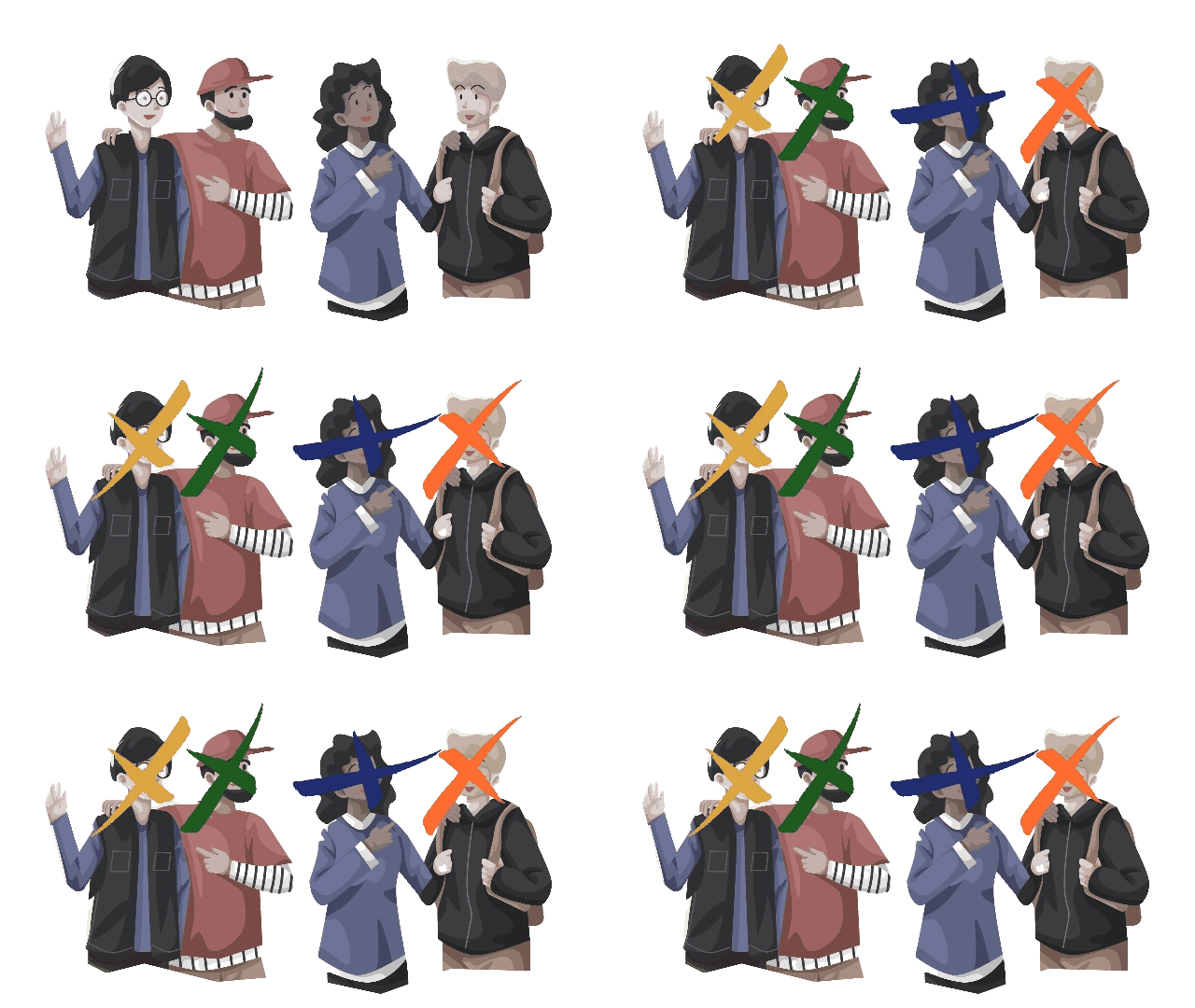
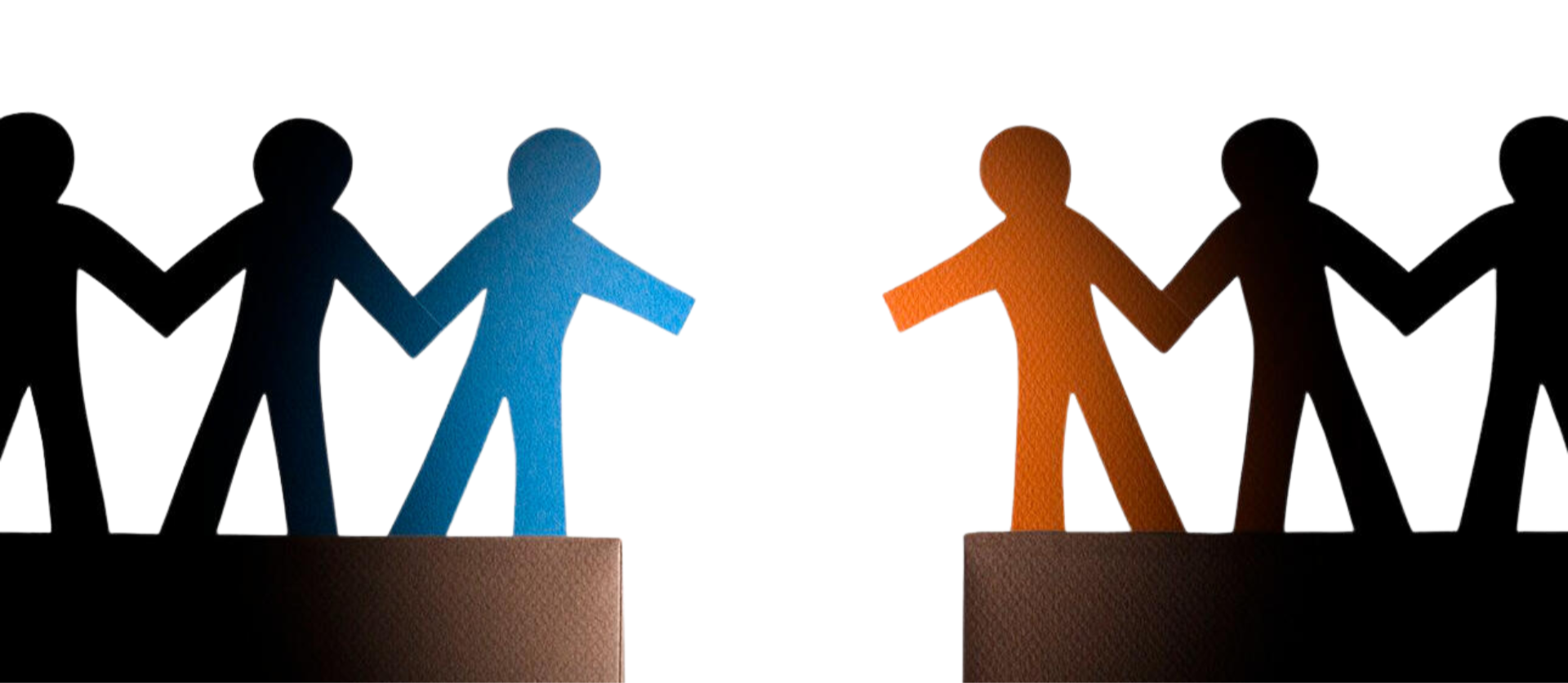
In a diverse country like the Philippines, people come from different social, political, and cultural lenses. Cancel culture often discourages meaningful dialogue across these lines, leading to misunderstanding and isolation. Unfyltered helps bridge those divides by humanizing conversations, allowing people to grow through their mistakes and learn from others.
Our name is a blend of “Unfiltered”—representing raw,
honest, and uncensored expression—and “Unify”
(spelled “Unfy”)—symbolizing our mission to bring
people together, even amid disagreement.
Our logo reflects this spirit:
A megaphone for amplifying silenced voices
and promoting freedom of expression.
Two hands forming a circle, one orange and
one blue, to represent unity, empathy,
and continuous dialogue.
To promote freedom of expression and inclusivity by encouraging conversations that educate, heal, and unify rather than divide. We aim to guide digital citizens toward using their voices responsibly, fostering understanding and empathy across cultural and social divides.
A society where differences do not lead to division but to dialogue, where every voice is heard, and where people grow through understanding, not through silencing.
Social Media Tribunals: The Perils of Digital Justice
Social Media Tribunals: The Perils of Digital Justice
By: Reo Ramos • November 13, 2025
When Feminism Silences Men: Equality or Hypocrisy?
Modern Gender Politics and Cancel Culture
By: Ariane Tatunay • September 26, 2025
Cancel or Counsel?
The Thin Line Between Calling Out And Tearing Down.
By: Allyson Domingo • September 26, 2025
Silence or Silenced?
When Speaking Comes at Cost
By: Andy Becina • September 26, 2025
Call-outs: Connecting or Excluding?
A deeper look into the effects of cancel-culture on communities and well-being.
By: Javi Mella • September 26, 2025
Across the division: Can Culture Still Connect Us?
Is there still a chance of completeness?
By: Iwi Castro • September 26, 2025
It’s time move beyond cancel culture’s cycle of division. Unfyltered calls on everyone to engage in respectful dialogue, approach differences with empathy, and create space for growth and understanding. Together, we can build a community that uplifts rather than silences—amplify, don’t nullify.
Lovatt, M. (n.d.). Cancel culture is a threat to freedom of speech. Debating Matters.
https://debatingmatters.com/topic/cancel-culture-is-a-threat-to-freedom-of-speech/Bailey, A. (2023). Entitled: How Male Privilege Hurts Women. Kate Manne. New York: Crown,
2020 (ISBN 978-1-9848-2655-8). Hypatia, 39(2). https://doi.org/10.1017/hyp.2023.66Brenner, B., PhD. (2024a). The Psychology of Cancel Culture: Impacts on Mental Health. Therapy
Group of DC. https://therapygroupdc.com/therapist-dc-blog/the-psychology-of-cancel-culture-
impacts-on-mental-health/Brenner, B., PhD. (2024b). The Psychology of Cancel Culture: Impacts on Mental Health.
Therapy Group of DC. https://therapygroupdc.com/therapist-dc-blog/the-psychology-of-cancel-
culture-impacts-on-mental-health/Cancel culture | Research Starters | EBSCO Research. (n.d.). EBSCO.
https://www.ebsco.com/research-starters/history/cancel-cultureD’amour, A. (2020, April 2). Cancel Culture: The Good, the Bad, & its Impact on social change -
On our moon. On Our Moon. https://onourmoon.com/cancel-culture-the-good-the-bad-its-
impact-on-social-change/Engaging boys and young men in gender equality. (n.d.). UN Women – Headquarters.
https://www.unwomen.org/en/what-we-do/youth/engaging-boys-and-young-men-in-gender-
equalityHailstone, J. (2021, December 20). Cancel culture fears stopping young people speaking out on
climate crisis, study finds. Forbes.
https://www.forbes.com/sites/jamiehailstone/2021/12/20/cancel-culture-fears-stopping-
young-people-speaking-out-on-climate-crisis-study-finds/Is cancel culture effective? How public shaming has changed. (2025, July 16). Pegasus Magazine. https://www.ucf.edu/pegasus/is-cancel-culture-effective/Lovatt, M. (n.d.). Cancel culture is a threat to freedom of speech. Debating Matters.
https://debatingmatters.com/topic/cancel-culture-is-a-threat-to-freedom-of-speech/Seven, Z. (2025, May 30). What is toxic femininity? Verywell Mind.
https://www.verywellmind.com/what-is-toxic-femininity-5222736?utm_sourceThe Editors of ProCon. (2025a, October 2). Cancel culture | Pros, Cons, Debate,
Arguments, Social Media, Internet, & Cancel. Encyclopedia Britannica.
https://www.britannica.com/procon/cancel-culture-debate
Opinion • Web Article
Social Media Tribunals: The Perils of Digital Justice
The risks of turning to Cancel Culture in replacement of the courts of justice.
By: Reo Ramos • September 26, 2025
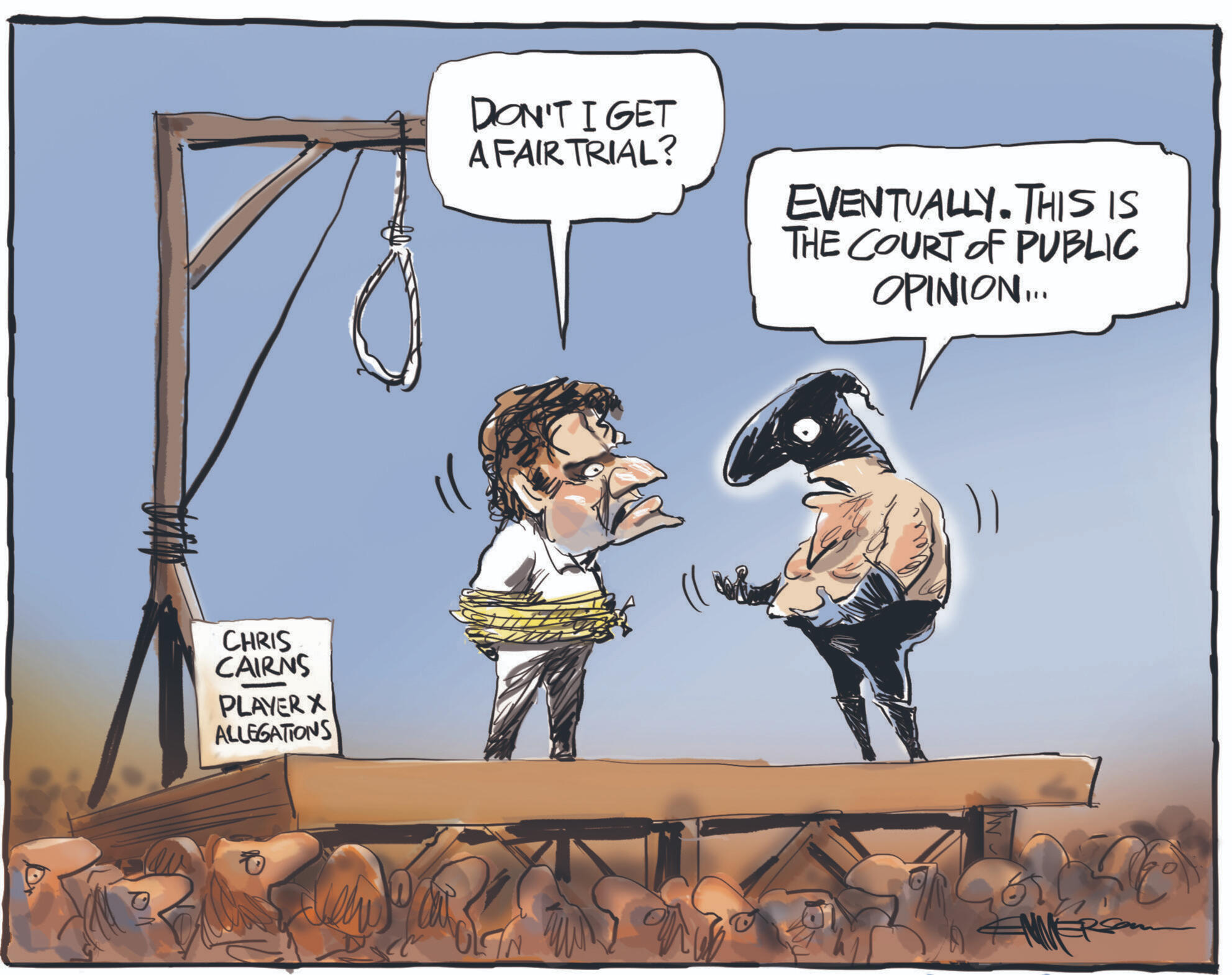
Imagine waking up one random morning with hundreds of notifications on your phone. Your face is trending on social media. Not because you have done anything wrong, but because thousands of strangers have decided that you have done a crime that you know nothing about. No proof—just judgment, delivered by a trending hashtag and thousands of likes. You are now a victim and, hopefully, a survivor of cancel culture.
The risks of turning to Cancel Culture in replacement of the courts of justice.
Cancel culture often starts with good intentions—calling for accountability. But it can quickly spiral into digital persecution. Context doesn’t matter; labels stick once you’re marked. The punishment often outweighs the mistake.
Context doesn’t matter.
Labels stick once you’re marked.
The punishment often outweighs the mistake.
As a Gen Z myself, I’ve seen how online mobs dismiss intention, circumstance, or fairness.
| A Recent Example | The Free Speech Argument |
|---|---|
| Just recently, after Charlie Kirk’s death, many school staff and students were punished online for “controversial” posts. No one waited for facts. People were punished simply for posting—not for actual crimes or harmful acts. | Some argue: “Calling them out is freedom of speech!” or “Posting forces accountability!” But there’s a fine line between calling out harmful behavior and mob harassment. |
True Justice Takes Time
A culture built on anger and shame cannot replace justice.
Real justice requires:
Evidence
Context
Fairness
Room for growth and reflection
Cancel culture, by contrast, silences, isolates, and destroys.
Justice should never come from mob trials or hashtags.
Opinion • Web Article
When Feminism Silences Men: Equality or Hypocrisy?
Modern Gender Politics and Cancel Culture
By: Ariane Tatunay • September 26, 2025
| Feminism at a Crossroads: Equality or Exclusion? | When Feminism Turns Toxic |
|---|---|
| Have you ever stopped to think about how far women have come. From being denied education and the right to vote, to being expected to live only for marriage and motherhood—our ancestors bore the weight of a world that silenced them. Thanks to the courage of those who fought before us, women today can speak, dream, and pursue whatever fulfills them. Feminism began as a movement for equality, a vision of a world where men and women stand side by side with equal dignity and opportunity. | But somewhere along the way, a darker twist emerged. In recent years, a toxic strain of feminism has overshadowed the original mission, replacing the goal of equality with antagonism and exclusion. At the same time, cancel culture has also become a tool not for justice, but for public shaming and silencing, especially of men. |
Policing Women’s Choices
Toxic feminism doesn’t just target men. It also pushes rigid standards on other women — especially those who choose more traditional roles.
A stay-at-home mom may be seen as “less empowered” than a CEO
A woman who prioritizes love or family over career risks being belittled by other women, especially with the rise of the “Boss Babe Culture”
But true feminism is about choice, not superiority. As Meg from Little Women reminds us:
Vilifying Men Online
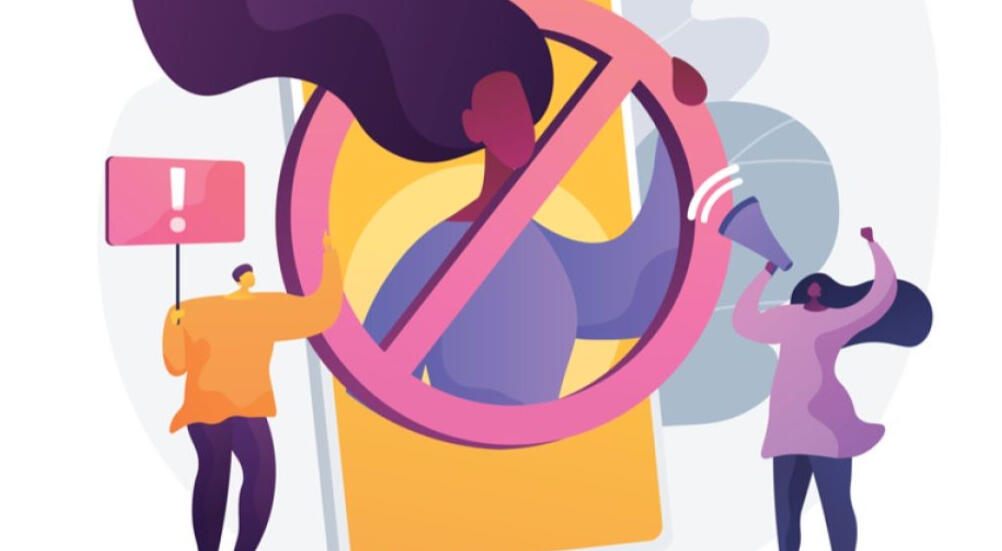
The harm extends to vilifying men. Online spaces are flooded with posts mocking and generalizing them under the guise of “female empowerment.”Boys grow up feeling that no matter what they do, they’re inherently part of the problem. Cancel culture then comes in like a wrecking ball – quick to judge and slow to forgive. The court of public opinion has replaced due process, and anyone accused, especially men, often has no chance to defend themselves.
| The Spiral of Cancel Culture | Equality Needs Allies |
|---|---|
| To be fair, cancel culture began with good intentions. It gave a platform to the voiceless and held powerful figures accountable. But it has spiraled into social punishment rather than meaningful reform. | Feminism should be about building bridges, not burning them. Equality cannot be achieved without participation and support from all genders. When we treat men as enemies, feminism loses its moral foundation. |
| Instead of promoting growth or learning, cancel culture encourages fear and division. People are scared to speak up, share their thoughts, or even ask questions, not because they’re wrong, but because they might be labeled as "problematic" or worse, misogynistic. | Some argue that feminism needs to be aggressive to dismantle the patriarchy. Centuries of systemic injustice won’t be undone overnight, but confrontation that turns into cruelty does not equal progress. Hostility drives away allies and creates a toxic environment where it isn’t safe to disagree. Others defend cancel culture as the only way to demand accountability. But when it becomes a tool to destroy rather than to educate or reform, we create a society of fear, not justice. |
A Choice We Have to Make
Our generation has the power to shape what
feminism will look like in the future:
A movement that divides and silences?
Or a movement that uplifts and unites?
The feminist movement has given women like me the opportunity to speak and dream. But if toxic feminism and cancel culture keep distorting its purpose, we risk losing everything it stood for.
Returning to the Roots
Men and women must work together — listening, questioning, and disagreeing without hate or shame. Real feminism isn’t about proving that women are better than men. It’s about proving that we all deserve the same respect, freedom, and dignity.I am grateful for feminism, for the battles fought, the rights earned, and the voices heard. But when feminism shifts into silencing men and glorifying hatred, it strays from its true purpose.
Opinion • Web Article
Cancel or Counsel?
The Thin Line Between Calling Out And Tearing Down.
By: Allyson Domingo • September 26, 2025
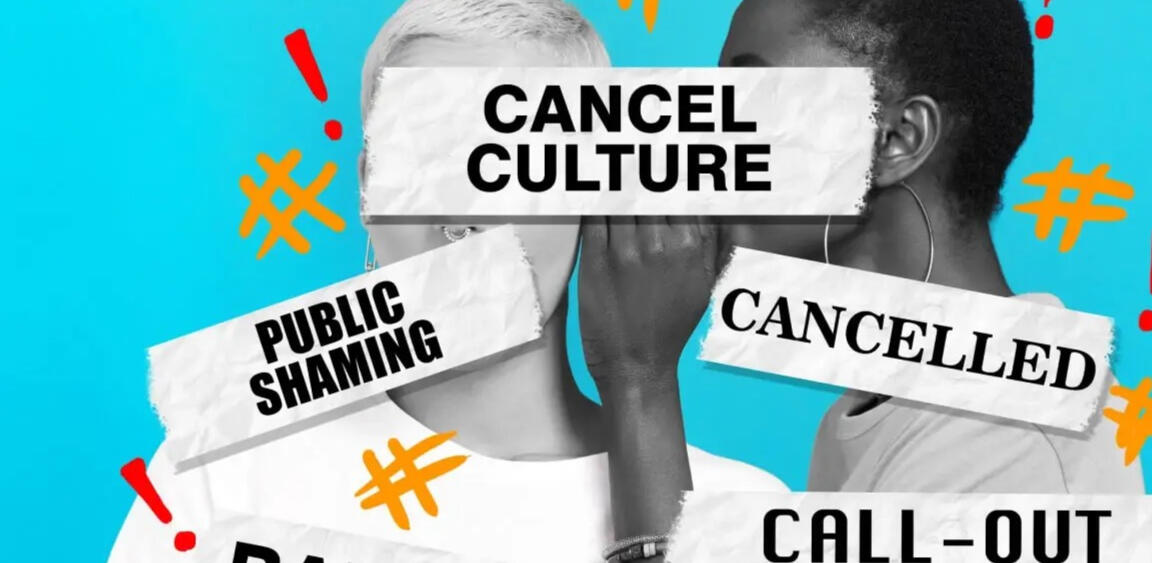
Cancel Culture is everywhere, Twitter threads, TikTok rants, even classroom discussions. But here’s the real question: does canceling someone actually hold them accountable, or does it just turn into a loud display of public shaming? Sure, it makes noise, but does it create change? Or are we just scrolling through drama with no real progress?
The Illusion of Accountability
I believe cancel culture often misses the point. Instead of inspiring growth and accountability, it usually silences people and shuts down meaningful conversations. When someone gets canceled, they don’t usually reflect or grow — they just retreat. Fear of backlash pushes people
to stay quiet instead of owning up to mistakes.If they ever decide to speak up or show change, they are made fun of repeatedly until they are driven off the platform. If cancel culture’s goal is accountability and change, then silencing and isolating people doesn’t achieve it. It only creates fear — not understanding, not growth.
Learning through Mistakes
Take classrooms, for example. Do we expect students to actually learn if the only response to a mistake is punishment? No. We give them chances to understand, improve, and do better no matter how much they fail. Mistakes are part of the journey — we are not perfect.Why should society work any differently? Public shaming without reflection is like failing a test and never being allowed to make up for it. Growth comes from patience, empathy, and guidance — not humiliation. If we want accountability to mean something, it must go hand-in-hand with education and forgiveness.Now, I get it — some say cancel culture gives power to marginalized voices when institutions fail to act. Others argue that it sparks awareness and conversations about harmful behaviors. The issues concerning the marginalized and vulnerable are often ignored by the very institutions that are meant to protect them.And yes, cancel culture can amplify important issues that might otherwise be ignored. It shines a light on injustice and forces people to pay attention. But awareness alone isn’t enough. If the goal is real accountability, we need to go beyond calling people out — we need to call them in.
From Canceling to Counseling
If the goal is real accountability, then we have to move beyond canceling and into counseling. That means creating space for dialogue, apologies, and growth. Instead of silencing people forever, we need to hold them responsible while still allowing the chance to change. Accountability should heal, not just punish.When we choose empathy over hate and communication over silence, we create room for understanding. Because growth doesn’t come from fear — it comes from reflection and compassion.
Opinion • Web Article
Silence or Silenced?
When Speaking Comes at Cost
By: Andy Becina • September 26, 2025
Social media knows no limits when it comes to freedom of speech, but what online dwellers fail to see are the hidden strings intertwined between each piece of dialogue—the glaring eyes that see beyond what is said and done.
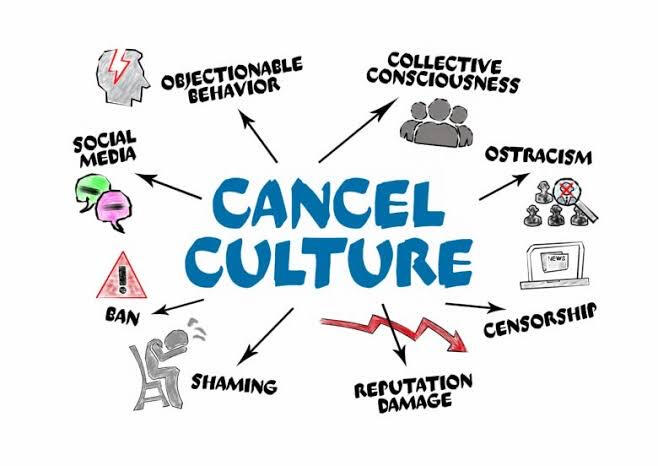
So, what do we do when expression begins to
carry the weight of social pressure?
At its core, cancel culture is rooted in seeking accountability. Social media users bind together to call out issues that suppress marginalized groups—ones that might otherwise go unchecked. Many argue that cancel culture has the ability to amplify these suppressed voices and hold powerful individuals accountable, thus transforming the collective action into a meaningful tool for justice.However, the same system that is used to empower can also destroy lives in a matter of hours. On social media, online outrage moves extremely fast, and in the rush to punish problematic individuals, the line between accountability and public shaming seemingly begins to blur. This leaves individuals in three uneasy positions:
1. Silence as Safety
When faced with the possibility of being “cancelled”, many people resort to silence. The Fire notes that individuals may experience the “chilling effect” in which they are discouraged or intimidated from engaging in expression for fear of negative consequences, being labeled, misinterpreted, or possibly even targeted. In this case, silence becomes a survival tactic for many.
2. Being Silenced by Louder Moral Authorities
On the other hand, others are forcibly silenced. Take Doja Cat, for example, who faced waves of backlash in 2023, after a public feud with her fans in which she openly mocked and berated them. The online discourse escalated to calls for her “cancellation”, resulting in the musician losing over a million followers on Instagram.
3. Silencing Others as a Defense Mechanism.
And then, inevitably, there are those who silence others, not out of cruelty, but out of the same fear of cancellation. In this light, people point at the deviance of other people in the attempt of amplifying outrage to divert attention. And so the cycle prevails, one where dialogue is replaced by defensiveness, and the goal is no longer to understand, but to survive in an arena full of fear and heightened consequences.
Supporters of cancel culture often argue that it's not “cancelling” but consequences. And while speech does carry responsibility, consequences should not be lifelong cages. When outrage escalates to digital exile, the process begins to look less like accountability and more like a collective punishment that leaves no room for growth.
So where do we go from here?
The idea isn’t to abolish consequences, but to balance them in proportion to context and the opportunity for redemption. Because, regardless of which of the three positions an individual falls under, its effects still have lasting negative impacts on oneself and the well-being of those around them.So, the question remains: Are we choosing silence, or are we being silenced? Will we allow outrage to rule over our conversations, or will we defend the messy and oftentimes difficult, yet necessary right to speak our truths—even when faced with backlash? If we cannot answer that, then perhaps freedom of speech is no longer being tested.It is already lost.
Lost to the cost of speaking in today’s connectedly disconnected world.
Opinion • Web Article
Call-outs: Connecting or Excluding?
A deeper look into the effects of cancel-culture on communities and well-being.
By: Javi Mella • September 26, 2025
If you made a mistake that could jeopardize your reputation, would you want others to accept it or shame you for it?
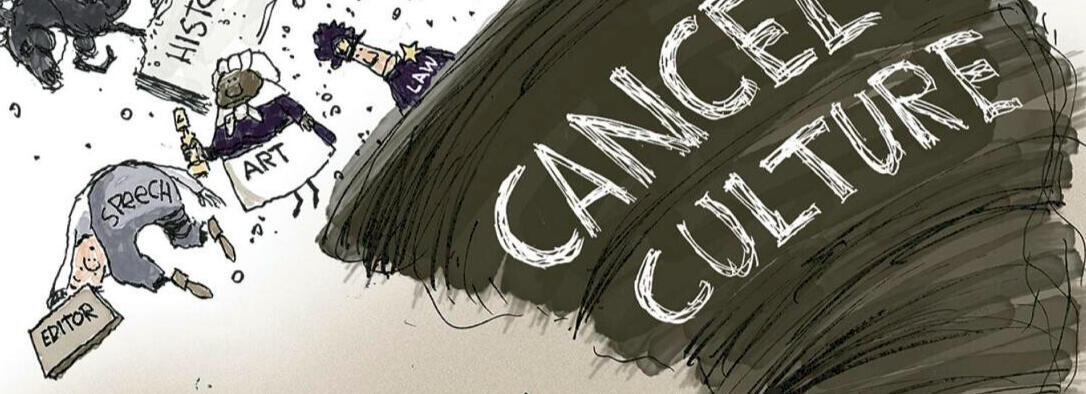
Cancel-culture has been a running practice throughout the recent generations, but not many regularly take into account the effects it would have on an individuals’ and community’s well-being. This editorial aims to argue that cancel-culture has more toxic effects on individuals and communities rather than originally intended positive outcomes.Firstly, we must understand the definition of cancel culture, knowing that it is quite a recent practice with these generations. According to EBSCO, Cancel culture is a form of public shaming in which groups or individuals swiftly denounce and campaign against a target, often using social media. The target may be an individual, a company, an institution, or even a concept. It is also known as call-out culture.Now that we know this context, we take a deeper look into how this can more negatively impact our society rather than help it.In my opinion, cancel-culture has not had enough attention put towards the involved individuals and groups, with it affecting their mental health. Instead, communities tend to support this practice and disregard its negative effects on the people. So as a student and teenager, I also believe that it’s imperative to understand its social implications and its profound impact on mental health.To be frank, we can look at this culture this way. Cancel-culture does not even help alleviate current issues as some believe. An ongoing opposing argument to this claim would be that by calling out an individual or business, the public can bring collective awareness to certain issues and create a platform for dialogue. Which is a valid argument, but if you agree with this, also ask yourself this question. Is it an effective way to hold those in positions accountable, or is it punishment without a chance for redemption?Now I will say this, for most cases this practice done by the community normally targets those with wrongdoings, especially on the political scope, but even if the end goal that our community tries to achieve is positive, the means do not justify the ends. We have to allow individuals to learn from their mistakes. So as a community we need to learn to be aware of the effects of these practices rather than to be ignorant of the consequences it may have towards others well beings. If we had a justice culture, then cancel culture wouldn’t exist. So to truly achieve justice in our generation, we have to be vigilant, be aware, and be sensible.
Opinion • Web Article
Across the division: Can Culture Still Connect Us?
Is there still a chance of completeness?
By: Iwi Castro • September 26, 2025
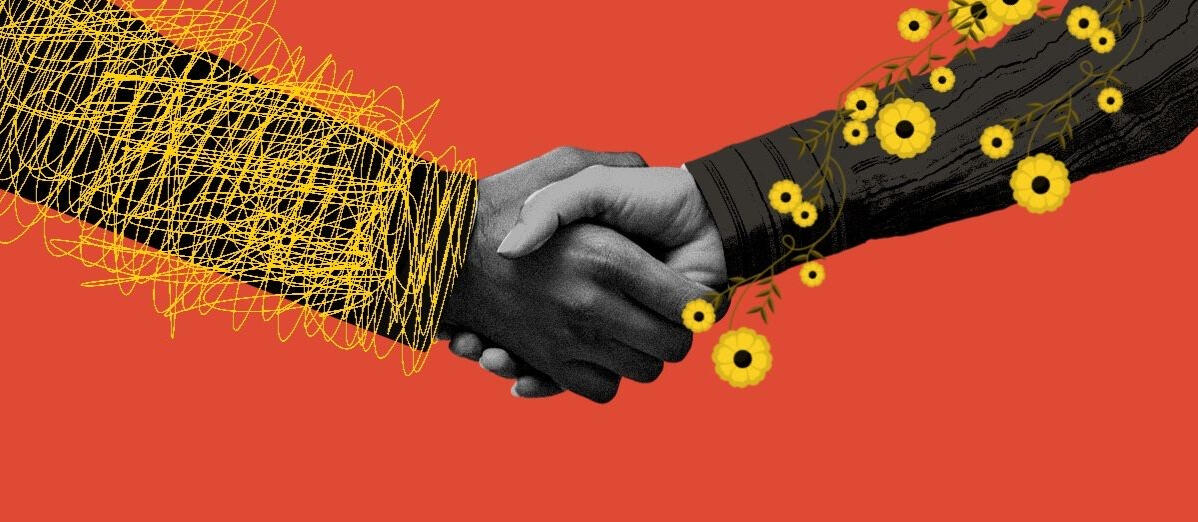
Why do we still have division in our society today? And can culture be a part of the solution to fix this issue?
We need to know to get some context on culture.Culture is the shared beliefs, values, practices, customs, and material objects that a group of people learns and passes down, defining their way of life and shaping their worldview and behaviors.It encompasses both tangible aspects, like food and art, and intangible aspects, such as traditions, language, and social norms.Culture is not static; it is dynamic, it evolves over time, and helps create a cohesive bond within a society.1. Culture can fix some of the problems of division going around, but it could also be the source itself that makes us split as a whole.- By learning other cultures, we are more diverse, open, and knowledgeable about people's situations, and at the same time culture also brings us closer together.- By also spending time learning the culture of other people, we are spending time with the people in the culture at the same time, which could also mean that it could bring us closer together.2. One of the main arguments that is being made is that culture is one of the biggest contributors that divides us.- Though this is true, there are way more positives than negatives. Some of the positives would be a sense of belonging, shared values, and a collective identity, fostering social harmony and cultural preservation through traditions, art, and language.
- While on the other hand, culture also has its negative effects like stereotypes and prejudices, discrimination, racism, the difference in the signs and behaviors of different cultures.
Culture might be one of the main influences in breaking us apart or the thing that separates us, but it is also one the reasons that brings us closer together and the thing that unites us all as a whole. Culture can divide—but it can also unite. It’s up to us to decide how we engage with it. If we use culture as a tool for understanding rather than judgment, then it can be one of the most powerful forces in healing the divisions we face today.